BY AQSA SHAIKH 10TH D

” Sikkim is the land of the four seasons. It’s a place where you can enjoy all the beauty of nature during the year.”
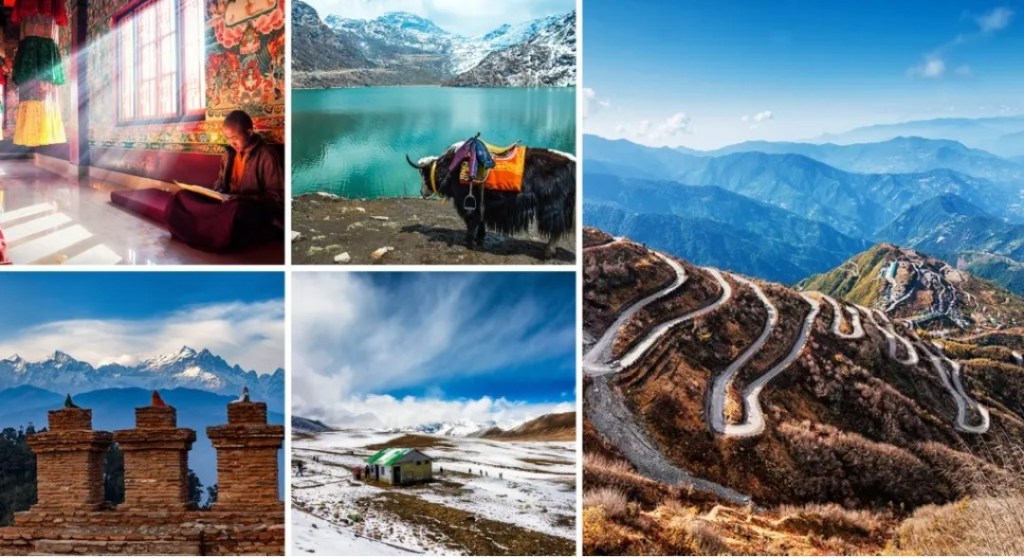
Sikkim is a state in northeast India, bordered by Bhutan, Tibet and Nepal. Part of the Himalayas, the area has a dramatic landscape that includes India’s highest mountain, 8,586m Kangchenjunga. Sikkim is also home to glaciers, alpine meadows and thousands of varieties of wildflowers. Steep paths lead to hilltop Buddhist monasteries such as Pemayangtse, which dates to the early 1700sSikkim is a state in northeast India, bordered by Bhutan, Tibet and Nepal.
Part of the Himalayas, the area has a dramatic landscape that includes India’s highest mountain, 8,586m Kangchenjunga. Sikkim is also home to glaciers, alpine meadows and thousands of varieties of wildflowers. Steep paths lead to hilltop Buddhist monasteries such as .Pemayangtse, which dates to the early 1700s.
The Tribal houses
This tiny yet beautifully decorated place hosts thousands of tribal houses built by the indigenous people, perfectly crafted to meet the needs of people as well as to withstand the climate of the Himalayas. In this blog, we delve into the physics underlying these architectural masterpieces.
1] Design for Mountainous Terrain
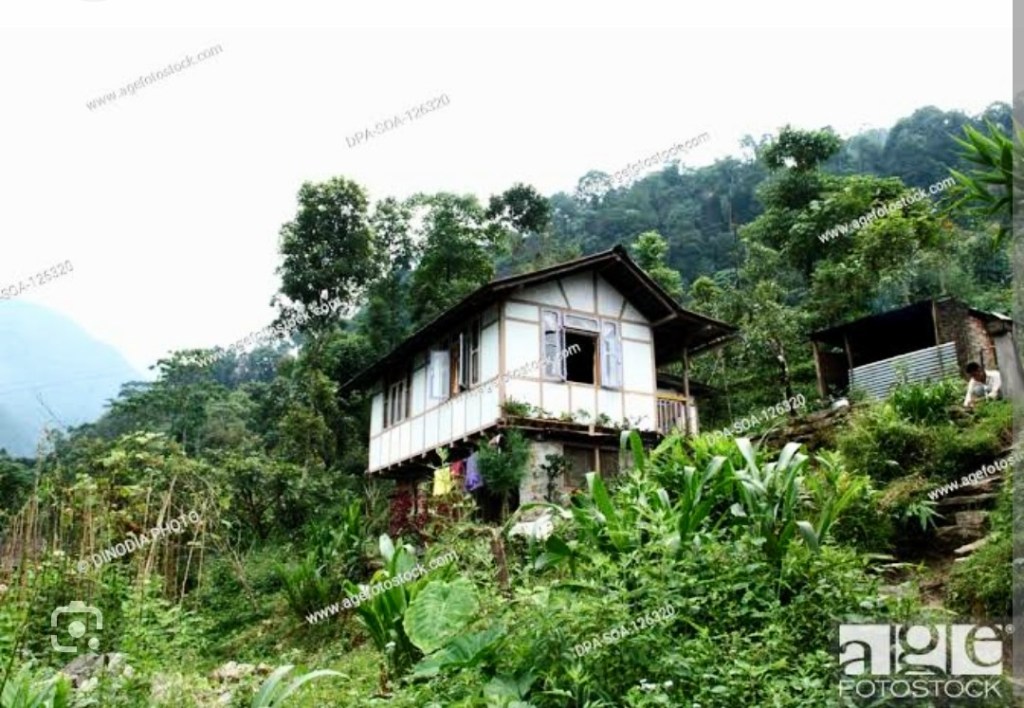
The tribal houses of Sikkim are designed in such a way that they withstand the rugged mountainous terrain. These structures are often built on steep slopes, and their architecture exhibits the principles of stability and balance. Materials used in building includes bamboo, cane, cane leaves, mud, and lime, along with bricks, stones and rocks. The foundation of these houses is built using stone masonry, which provides a solid base and good stability in the case of landslides.
2] Earthquake Resistance

Sikkim is situated in a seismically active zone, making earthquake resistance a crucial consideration in house construction. Traditional tribal houses exhibit remarkable resilience to seismic forces due to their unique construction techniques. The interlocking timber frames, often made of sturdy hardwood, are joined using intricately carved joints that absorb and distribute the energy generated during an earthquake, minimizing structural damage. This is highlighted by the fact that after the 2011 Sikkim earthquake, though nearly half (54,000) of the rural houses in the state had suffered various degrees of damage, there were only a few deaths due to these houses, highlighting their inherent earthquake-safe character.
3] Natural Ventilation
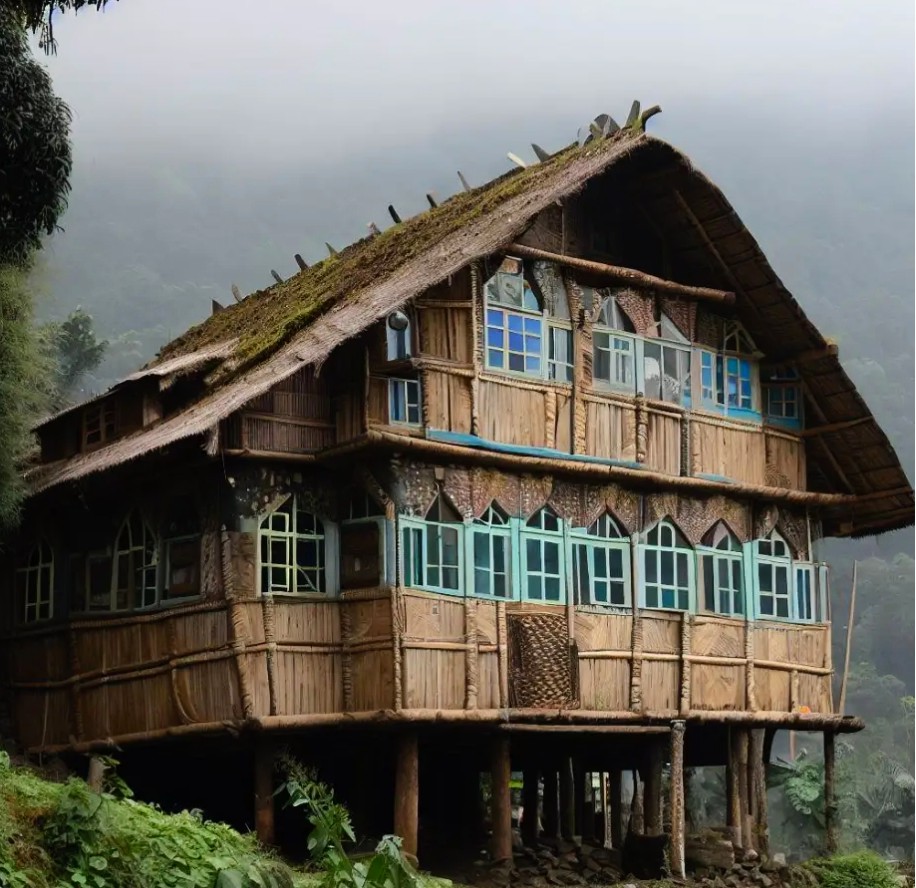
To combat the humid climate, the tribal houses of Sikkim employ ingenious ventilation strategies that harness natural airflow. The placement of windows and doors is carefully planned to optimize cross-ventilation. By strategically positioning openings on opposite sides of the house, cool breezes can enter, and warm air can be expelled, creating a refreshing and well-ventilated indoor environment. The elevated platforms, common in these houses, promote airflow underneath, aiding in cooling the interior spaces. The integration of passive cooling techniques like these ensures a comfortable living environment without relying heavily on energy-consuming mechanical systems.
4] Thermal Comfort
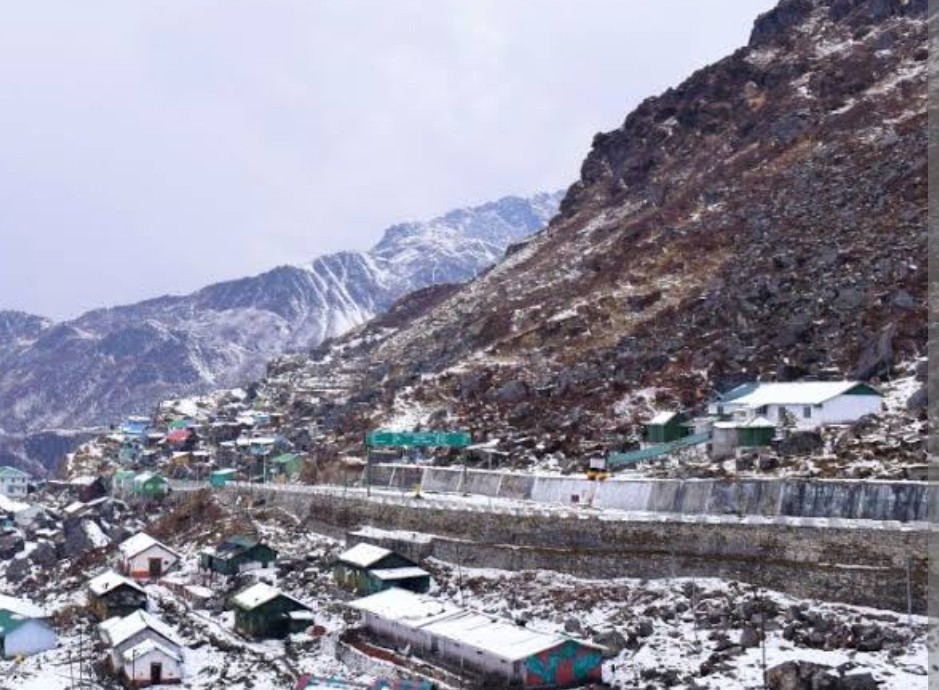
Sikkim experiences a wide range of climatic conditions, from cold winters with sub-zero temperatures to hot and humid summers. The tribal houses of Sikkim are designed to provide optimal thermal comfort by utilizing locally available materials and traditional construction techniques. The walls are typically constructed using stone or mud. These materials possess excellent thermal mass properties, which means they can absorb, store, and release heat slowly. Furthermore, the steeply sloping roofs made of wood and thatch are designed to shed heavy snowfall, preventing excessive loads and ensuring a warm and dry interior.
5] Sustainability
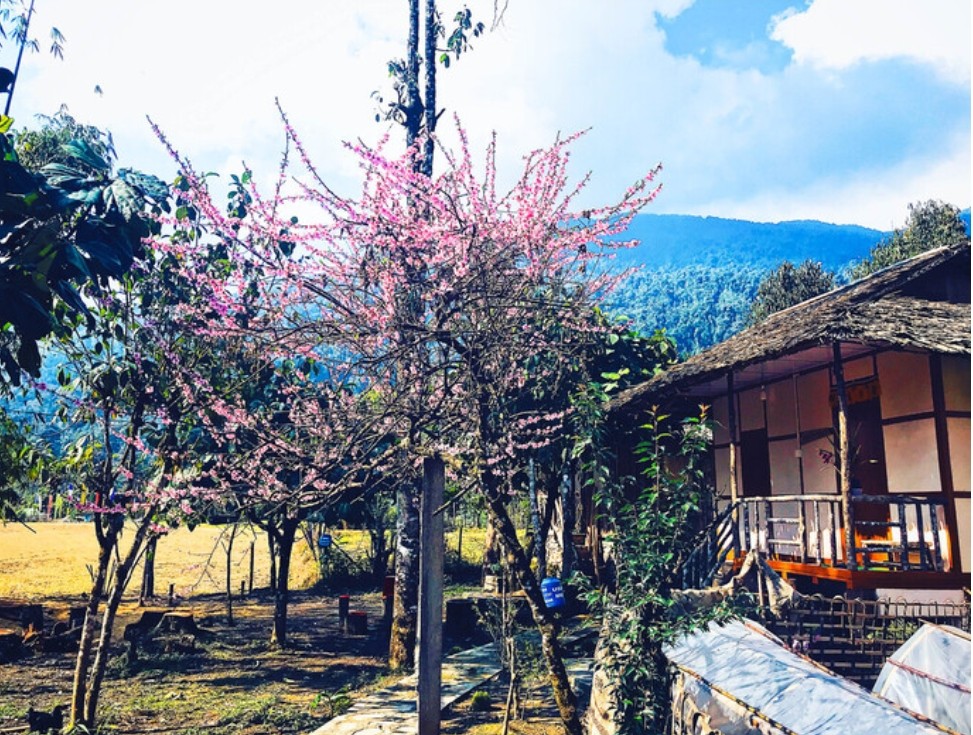
The tribal communities of Sikkim have long practiced sustainable construction methods that minimize their ecological footprint. The houses are built using materials such as stone, mud, timber, thatch, and bamboo, which are abundant in the region. By utilizing local resources, the need for long-distance transportation of building materials is minimized, reducing the associated energy consumption and carbon emissions. The timber used in house construction is often sourced from sustainably managed forests, where trees are selectively harvested, and reforestation efforts are undertaken, ensuring Responsible Forestry Practices. Additionally, the incorporation of renewable energy systems, such as solar panels, further enhances the sustainability of these dwellings.
Utilizing physics involved in these simple-yet-advanced dwellings, we can strive to create more sustainable houses which are environment-friendly, as well as provides good ambience to its residents without the use of any extra technologiesAs we move forward in the pursuit of sustainable architecture, let us draw inspiration from the tribal houses of Sikkim. By utilizing physics involved in these simple-yet-advanced dwellings, we can strive to create more sustainable houses which are environment-friendly, as well as provides good ambience to its residents without the use of any extra technologies
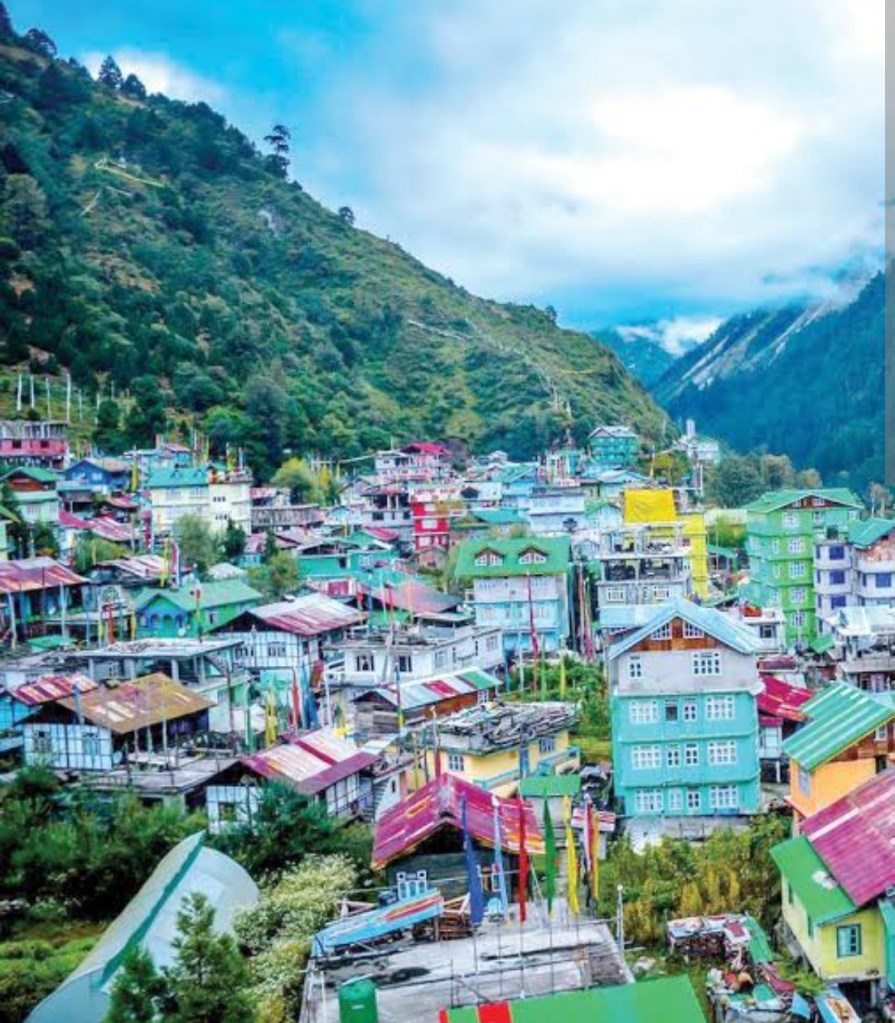
The tribal houses of Sikkim stand as remarkable examples of architectural wisdom and sustainable design. Their designs, rooted in an intimate understanding of the local climate, terrain, and available resources, showcase a harmonious blend of physics, tradition, and environmental consciousness. From their earthquake resistance and thermal comfort to their natural ventilation and use of local materials, these houses exemplify a holistic approach to sustainable living.
With this we come to an end….

BY AQSA SHAIKH 10th D
All filters
Showing results for about sikkim
Search instead for about sikim
Search Results
See results about
Knowledge result
Sikkim
State of India
Description
Sikkim is a state in northeast India, bordered by Bhutan, Tibet and Nepal. Part of the Himalayas, the area has a dramatic landscape that includes India’s highest mountain, 8,586m Kangchenjunga. Sikkim is also home to glaciers, alpine meadows and thousands of varieties of wildflowers. Steep paths lead to hilltop Buddhist monasteries such as Pemayangtse, which dates to the early 1700s.
All filters
Showing results for about sikkim
Search instead for about sikim
Search Results
See results about
Knowledge result
Sikkim
State of India
Description
Sikkim is a state in northeast India, bordered by Bhutan, Tibet and Nepal. Part of the Himalayas, the area has a dramatic landscape that includes India’s highest mountain, 8,586m Kangchenjunga. Sikkim is also home to glaciers, alpine meadows and thousands of varieties of wildflowers. Steep paths lead to hilltop Buddhist monasteries such as Pemayangtse, which dates to the early 1700s.
 Site Title